Curiosity Is Not a Personality Trait - and Here’s How to Make It Work in Any Conversation
What a family with a pool, a leader who holds ideas lightly, and MIT research tells us about the conversations that actually move things forward.
The Family With the Pool
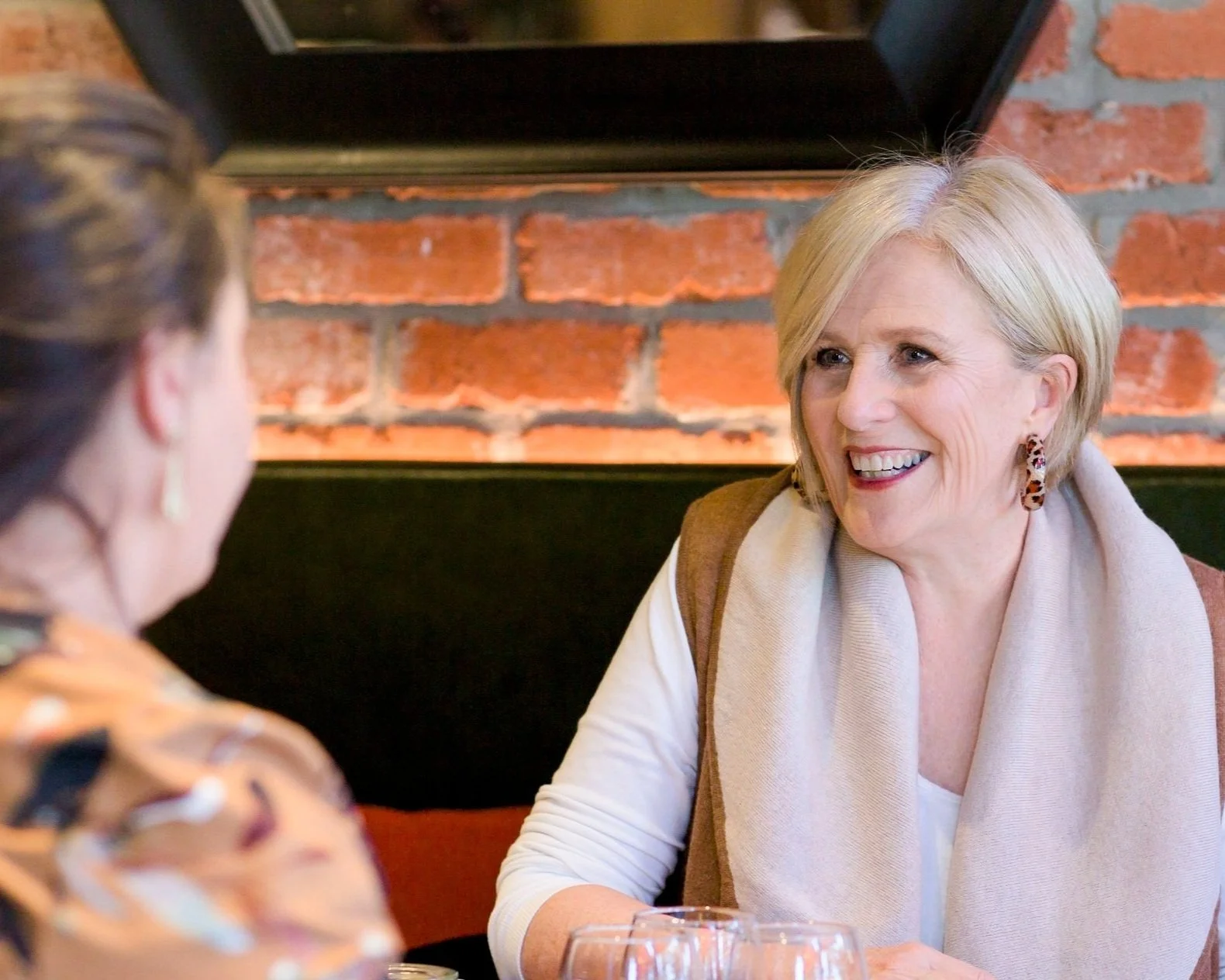
Years ago, I worked as an International Home Relocation Consultant — helping executives and their families settle into Melbourne. It wasn’t just about real estate. It was about listening deeply, noticing what people really needed, and offering calm in the chaos of starting over.
One family arrived from Europe with an above-ground pool and a firm plan to find flat land in the Dandenong Ranges. If you know the Dandenong Ranges, you’ll understand why that made me pause.
I could have redirected them immediately. Explained the geography, moved on, found something more practical. But instead I got curious. What was the pool really about?
It turned out it had nothing to do with swimming. It was about summer. About the children. About recreating the feeling of a life they had loved and were quietly grieving, even while they were excited about what lay ahead.
Once I understood that, I could actually help them. Not just find a house — but find them a home.
Curiosity opens doors that efficiency closes.
That lesson stayed with me. And it shapes everything I do now.
What It Means to Hold Your Ideas Lightly
I think alot about curiosity , and am always encouraging my clients to be more curious if they seek better conversations and opportunities.
When I first met Scott Ko, at a networking event, we made a time to reconnect as we were both curious to explore our interests and possible synergoies.
After our conversation, , I invited him to be a guest on my podcast, and also to speak at a business dinner I ran back in 2024.
Scott Ko is a leadership thinker, former CEO/COO of Leadership Victoria, and founder of ColourSpace Gallery and I talked about curiosity not as a question you ask, but as a lens you adopt. A way of moving through the world that doesn’t demand answers — but stays genuinely open to what might emerge.
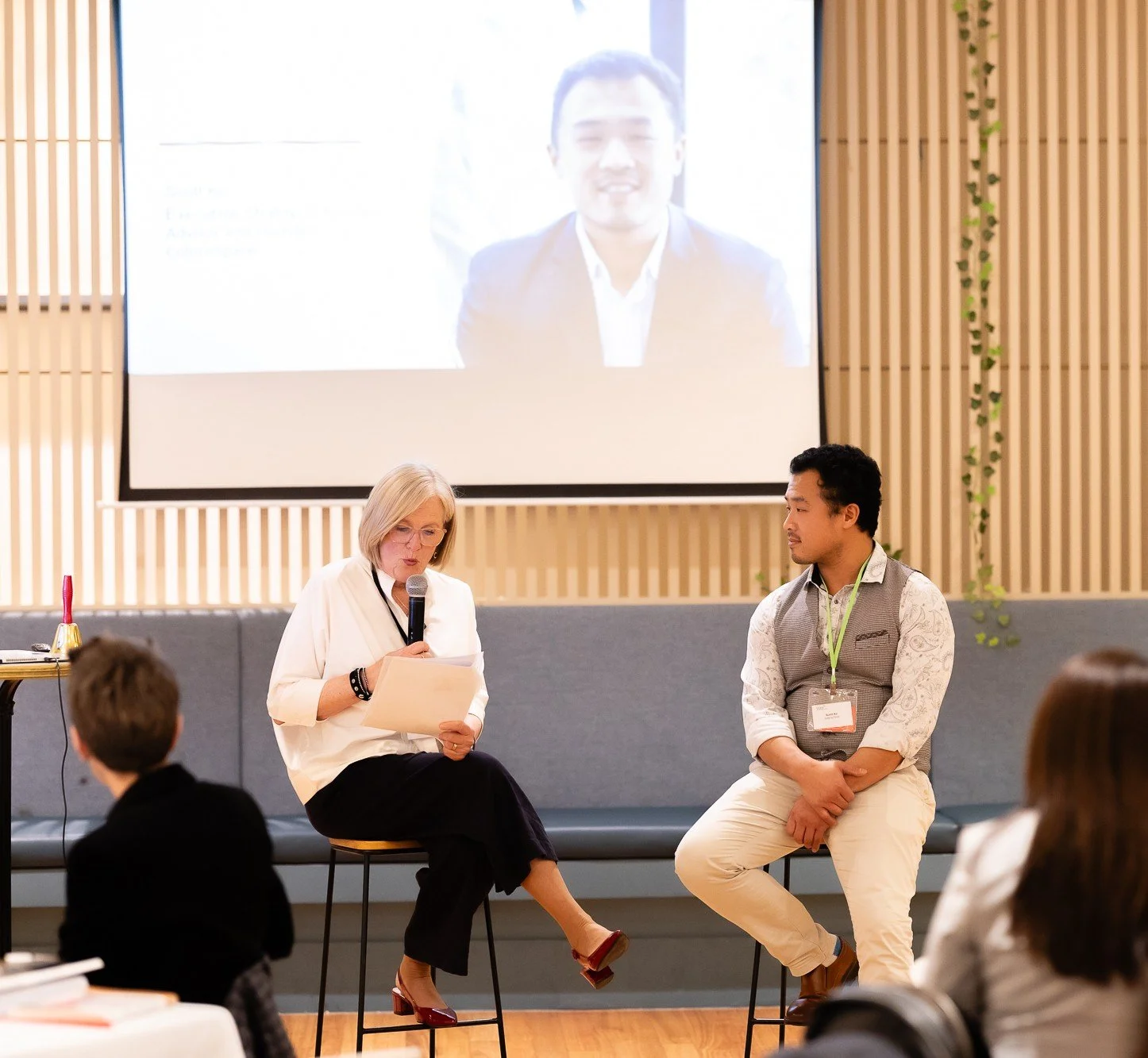
One idea he shared stayed with me long after we stopped recording: holding your ideas lightly.
Not abandoning your convictions. Not being a pushover. But being willing to let your thinking be changed by a conversation. Being secure enough in who you are to say: I might be wrong about this. Tell me more.
He spoke about the pressure leaders feel to always have the answer — to project certainty even when genuinely unsure. And about what it actually takes to stay curious in that environment: not a dramatic gesture, but a quiet, ongoing practice of honest self-reflection.
Curiosity isn’t about questioning everything. It’s about staying open to what’s next.
That distinction matters. Curiosity without groundedness is just restlessness. Curiosity anchored in clear values and purpose is how you keep evolving without losing yourself.
You can listen to my full conversation with Scott on the Kerryn Powell podcast — search Spotify or find it at kerryn-powell.com.au/podcast
What the Research Actually Shows
Did you know that researchers at MIT’s Human Dynamics Laboratory spent years studying what separates high-performing teams from everyone else. They tracked communication patterns across industries — call centres, hospitals, banks, technology companies — and what they found was consistent every time.
The biggest predictor of a team’s success wasn’t individual intelligence, skill, or even the quality of the ideas being discussed.
It was how people communicated with each other.
Communication patterns, they found, were as significant as all other factors — intelligence, personality, talent — combined. And 35% of the variation in a team’s performance could be accounted for simply by the number of quality face-to-face exchanges between team members.
The conversations are the work. Not a nice extra — the actual work.
The research also found something that speaks directly to what I believe and encourage in my silo breaker workshops .
Teams benefit from having the opportunity to engage, and share their perspective. Not with one dominant voice and everyone else listening. Every voice, in the conversation, has equal opportunity to contribute and connect.
When voices are missing from the conversation — because of hierarchy, habit, or a silo that’s quietly formed — performance suffers. Not just morale. Performance.
(Alex ‘Sandy’ Pentland, MIT Human Dynamics Laboratory, Harvard Business Review, 2012)
What Curiosity Actually Looks Like in Practice
Curiosity isn’t reserved for the naturally inquisitive. It’s not a personality trait you either have or you don’t. Scott Ko is right — it’s a lens. And like any lens, you can choose to pick it up.
A few things that help:
• Before any conversation, meeting, or event — ask yourself one genuine question about the people who will be there. Not “what do I want from this?” but “what might I learn?”
• Replace “what do you do?” with something that invites a real answer. “What are you working on right now that you’re most excited about?” changes the entire quality of what follows.
• When someone says something unexpected — don’t redirect. Stay with it. “Tell me more about that” are three words that change almost every conversation.
• Hold your own ideas lightly. Come willing to be changed. That willingness is what makes the exchange real — and what makes the other person feel genuinely met.
• Notice who isn’t speaking. In any room — a team meeting, a workshop, a dinner table — the voice that hasn’t come forward yet is often the one carrying the insight nobody has heard.
An Invitation
On the 30th July and the 3rd of September I'm hosting small curated, “Catalyst” dinners, in Melbourne. Not panels. Not speakers. Genuine conversations with changemakers, problem solvers, community builders and a community of people keen to spark curiosity, create impact and stat a ripple. If you'd like to know more, reach out.
If curiosity has ever opened a door you weren’t expecting , you’ll know exactly what I mean.
Kerryn Powell is The Network Catalyst. She helps professionals, business owners, and changemakers build confidence, strengthen relationships, and uncover opportunities for growth through conversations that count. Book a conversation HERE