Conversation Is the Catalyst
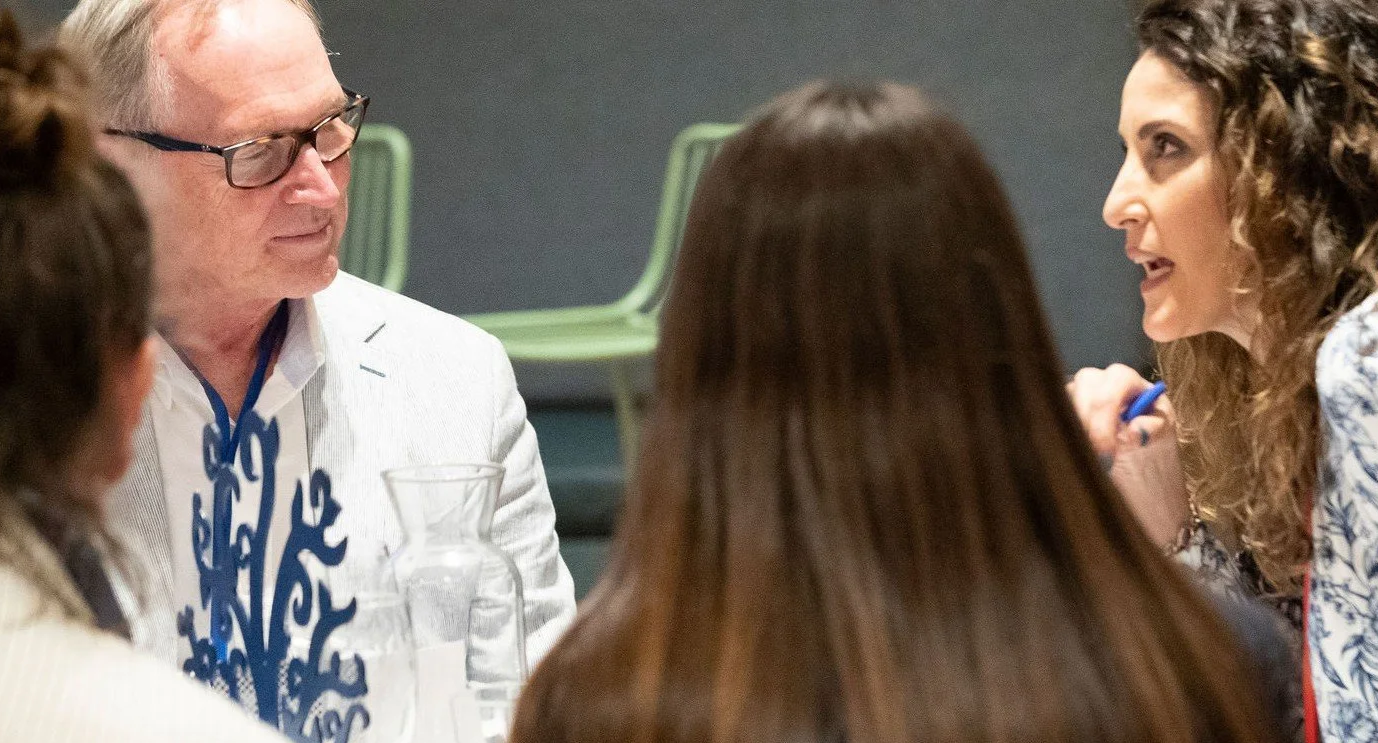
The moments I remember most were never on the stage. They were here.
For almost forty years, the same group of friends has met on the second Saturday of December. We don't see each other much across the rest of the year. Lives get busy, people move, circumstances change. But that date sits fixed in the diary, year in, year out, because somewhere along the way we learned something simple. The conversation doesn't need a reason. It just needs the table.
I think I knew this long before I ever called it anything.
When my children were small, I used to carry crayons and paper to restaurants so they had something to do while we waited for food. Our favourite pizza place gave them dough to play with instead. They were occupied, but they were also included, sitting at the table, part of what was happening, not parked in front of a screen to keep them quiet. I wanted them there. Not silent. There.
I learned early that the question "how was your day" rarely gets you anywhere with a child, or a teenager, or most adults if we're honest. "What was the highlight of your day" does something different. It assumes there was one. It invites a story instead of a report. I have used some version of that question for most of my adult life, at school pickup, at work dinners, at tables full of people who started out as strangers.
Ask a real question and listen loudly to the answer
That's the thing about a table full of strangers. Everyone at it is usually just as uncomfortable as you are. The ones who do well are rarely the most confident in the room. They're the ones willing to ask a real question and actually listen to the answer.
I learned something else too, a little more by accident. A few years ago we travelled to South America, and I posted photos along the way. By the time we got home, our friends and family felt they already knew the trip. I never got to tell them the stories that mattered most to me, the ones underneath the photos. The online version of the trip had quietly replaced the real conversation about it. Technology can support real connection, but it can just as easily become a substitute for it, and the substitute is never quite enough.
None of this came from running events. It came from a childhood, a marriage, raising children, decades of friendships maintained mostly by showing up at the table when it mattered. The professional version came later, and it taught me something I hadn't expected.
A different kind of conversation
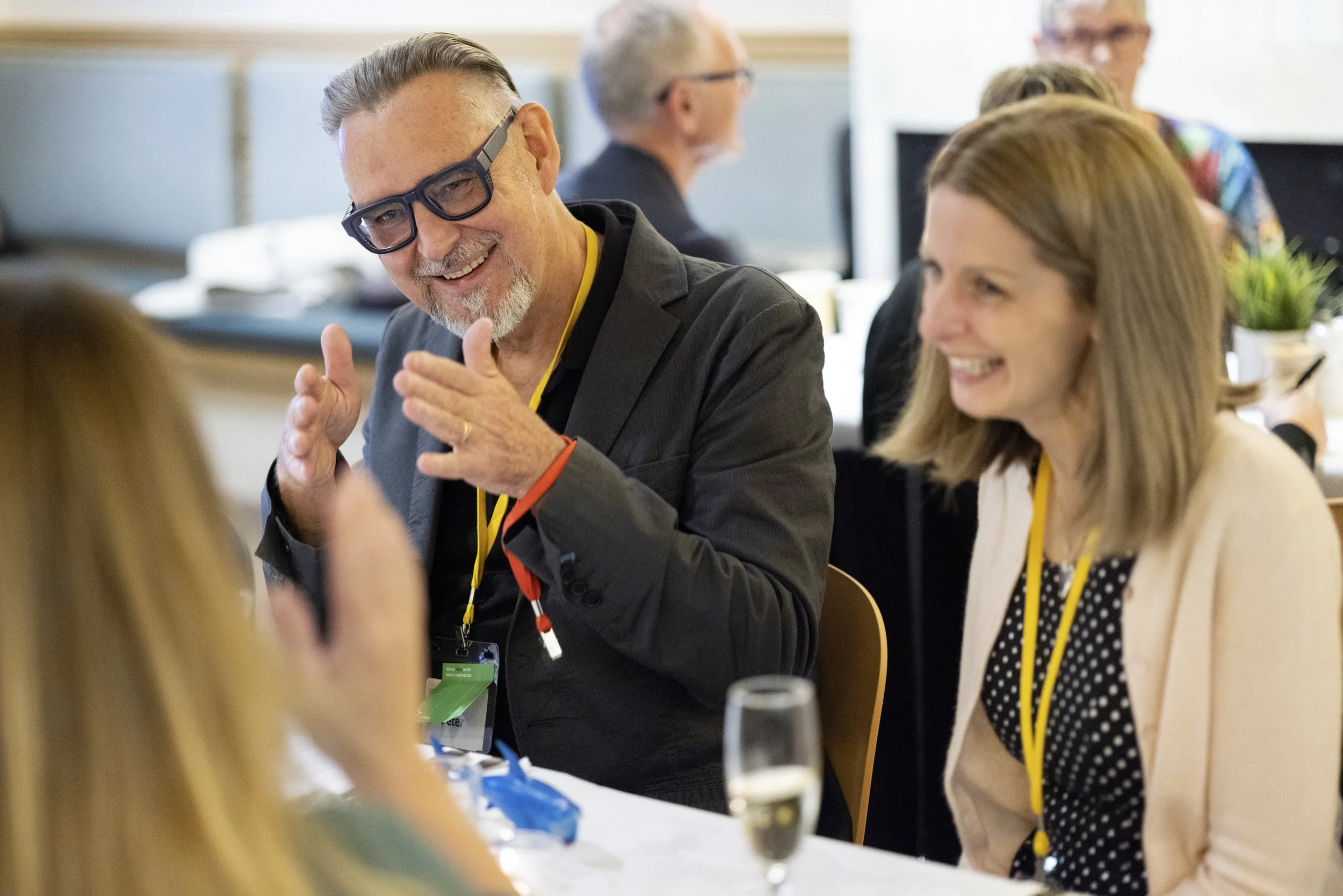
The moment when the formality wears off and the real conversation begins.
For years I ran a different kind of evening, the WHY Awards, with a stage, a panel of judges, a spotlight. I watched professionals master an elevator pitch and then stand in front of a full room and speak.
I attended numerous events run by others with speakers who left a real imprint. Peter Alexander building an empire from his mother's spare room. Alla Wolf-Tasker putting regional Victoria on the map one determined decision at a time. Rosie Batty turning unimaginable loss into a fight for something larger than herself. Courage ran through every one of those stories, and I never stopped finding it moving.
But the moments I remembered most were never on the stage. They were at the table, once people had eaten together and relaxed, when someone asked the question they weren't sure they were allowed to ask, and the room leaned in. Listening closely, exploring ideas together, being genuinely surprised by someone else's answer, that's what kept pulling me forward. That's what I wanted to build more of.
Meaningful questions
Last year I spoke with Neil Milton, founder of The Table Talk Project, about almost exactly this. His own framework structures a meal into entrée, main and dessert, food, meaningful questions, an emotional check-in, as a way of helping families reconnect at the table. Hearing him describe it so clearly was less a discovery for me than a recognition. Yes. That. I've been doing some version of that for years. You can hear our conversation at kerryn-powell.com.au/podcast
Over the past year, Catalyst Dinners have grown out of all of this, not as an invention, but as something I finally let myself build properly. A small table. A handful of people. Conversation prompted deliberately, creating space not only to talk with others, but to reflect and have a conversation with yourself too. So far the evenings have explored "What Is Fulfilment?", "The Conversations That Change Us", and next, "The Doors Along the Way."
I think about doors a great deal these days, the ones we walk through without realising it at the time, the ones someone else opens for us. Looking back and connecting the dots, I realised the table was always one of mine. I just hadn't noticed it was a door until I'd walked through it so many times.
What's the table tradition in your life that's quietly been doing more work than you've given it credit for?