The Room Before the Conversation
On design, trust, and why the best conversations are never left to chance.
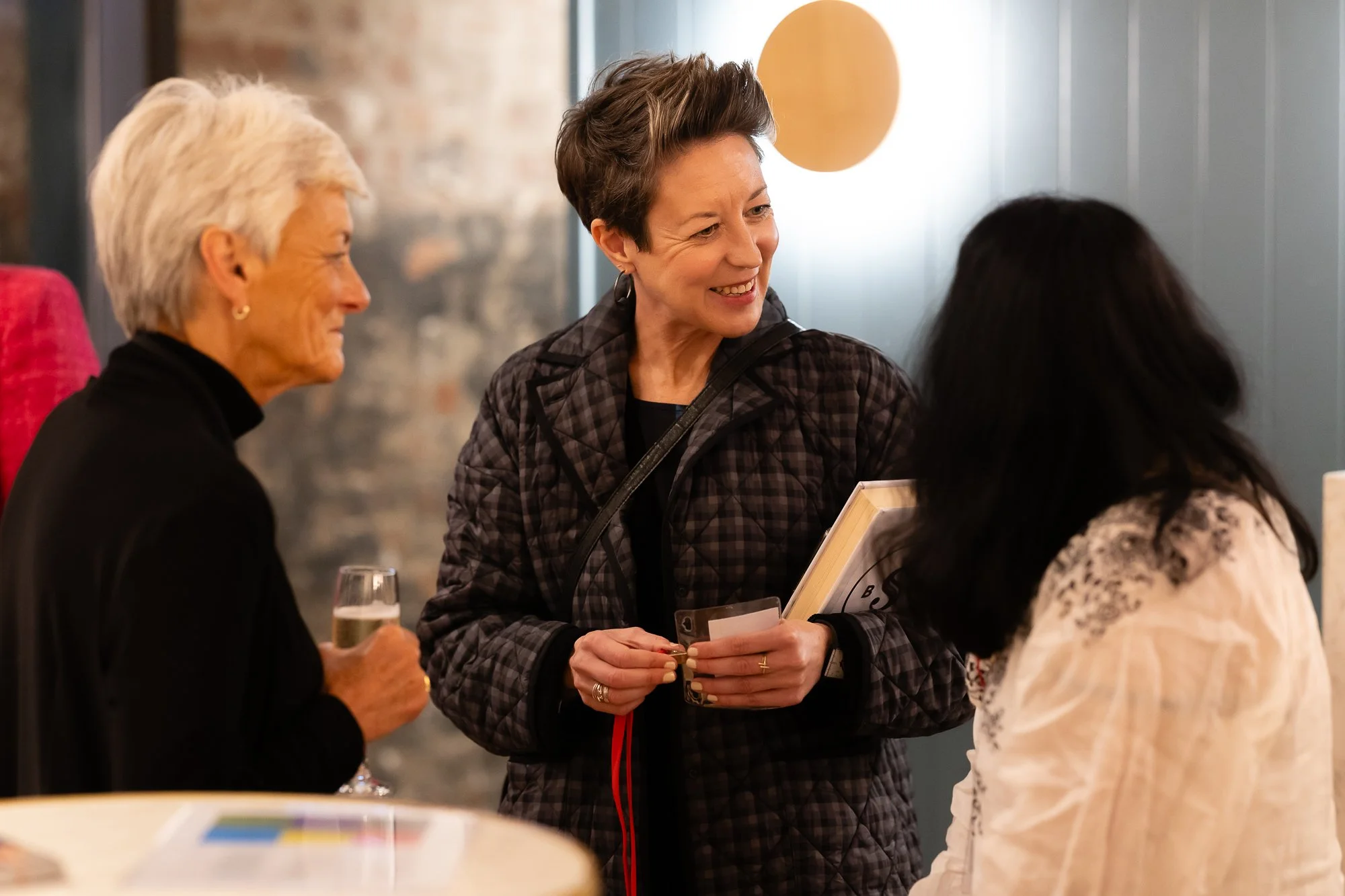
I once stood at the edge of a room, watching a woman whom I'd introduced to another newcomer twenty minutes earlier, deep in conversation, even though they'd never met before. I knew from earlier conversations with each of them that they'd find plenty to talk about.
Later that night, someone stopped me on their way out and said, quietly, that they'd been blown away by the attention to detail. Another mentioned the care in how people had been placed together, the way it felt like someone had actually thought about who needed to meet whom.
I even recall placing two women at the same table who already worked together, and who assumed they'd be missing out on meeting someone new. What actually happened was they told me at the end of the evening that their own relationship had deepened, because they'd never invested the time to really talk and learn what mattered to their colleague.
The ambience and the seating are never left to chance. They're always decided well in advance, not by chance but by pattern.
The run-sheet, and the opening question, isn't small talk. It's chosen to surface something real before the entrées arrive. The pauses, the pacing, the moment I chose to step back and let the table run itself, none of it was visible. That was the point.
That's not accidental. That's design.
I've always been the one who looks at a room full of moving parts, seating, timing, who's just arrived, who's mid-conversation, and sees how it could all fit together before anyone else does. And when the moment comes to step in, or step back and let a table run itself, I don't hesitate. Waiting rarely improves a conversation. Acting on what the room is already telling you usually does.

What a Run-Sheet Can't Capture
Most people planning an event focus on the run-sheet. Times, courses, who speaks when. It matters, but it isn't the experience. The experience is shaped by something quieter: who feels welcomed the moment they walk in, who gets included once the conversation starts, who knows where they belong without having to ask.
I'm obsessive, in a good way, about the details that create ease. Thoughtful introductions. Guided prompts that open a door rather than fill a silence. Room flow that reduces the small awkwardness people carry into any gathering of strangers. None of it announces itself. All of it decides whether the evening becomes something people remember or something they simply attended.
An AI tool could hand you a run-sheet in seconds, the timing, the courses, the schedule. What it can't hand you is which two strangers will find plenty to talk about, or which silence in the room is worth letting sit a little longer. That part still takes a heart in the room, not just a timeline on a page.
When the Topic Itself Is Uncertain
This matters even more when the conversation isn't easy.
On 3 September, I'm hosting a dinner called Your AI Future. It isn't a briefing and it isn't a debate. It's built around six lenses, moving from the facts of what's actually happening, through how people genuinely feel about it, into the real cautions worth naming, the possibilities worth exploring, and finally, one intentional next step each person can take. Nobody arrives having to have an opinion ready. The structure does the work of making that safe.
People don't open up because they're told to. They open up because the room has been built to let them.
That's the part I've learned over more than a decade of running these kinds of evenings, since my Your Time Matters days, long before Catalyst Dinners existed by name, in community rooms, at long tables, in workshops with people who'd never met before the session began. Honesty isn't a personality trait some guests have and others lack. It's a condition you create, deliberately, before a single word is spoken.
Design Is a Skill, Not a Secret
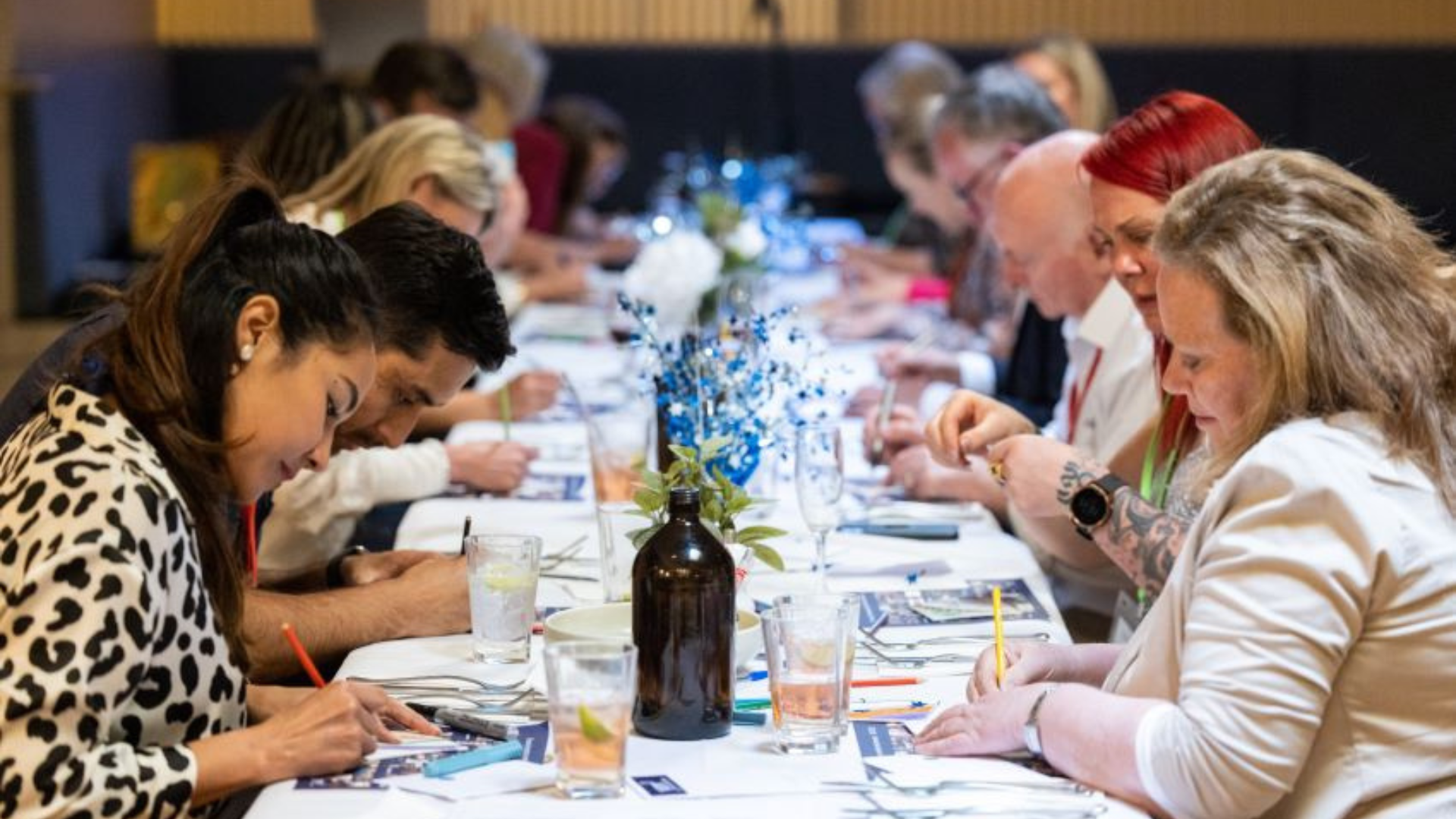
For a long time I thought of this as something I simply did, instinct built from experience. But increasingly, I hear from people who want to bring the same thing into their own rooms, their own teams, their own communities and associations. Not my exact dinner. Their version of it. Having run these kinds of sessions for well over a decade, I now often see others, some inspired after years of attending, shaping the same underlying pattern, thoughtful matching, structured openings, a deliberate pause, around their own gatherings.
It's also why I built the Catalyst Tool Kit and the Conversations Count cards, not as party games, but as a way of carrying that design thinking into a room without needing years of facilitation experience first. The prompts do some of the work I'd otherwise be doing quietly, in real time, reading a table and choosing the next question.
You don't need to be the most confident person in the room. You need the room to be built well enough that confidence isn't required.
The Room You're Already Standing In
Whether you're planning a dinner, leading a team meeting, or simply walking into a room full of people you don't know yet, the same question applies. Has this space been designed for real conversation, or has it been left to whatever happens?
Most rooms are left to chance. The ones people remember rarely are.
If you're curious what that design could look like for your own gatherings, the Catalyst Tool Kit is a good place to start. And if you'd rather experience it firsthand first, there's a seat waiting at Your AI Future on 3 September.
What would change in the rooms you're part of if the conversation itself was designed, not left to chance?