The Best Opportunities Rarely Come From the People You Already Know
For the professionals who keep choosing the familiar corner of the room, and wonder why the same year keeps repeating itself.
The Seat He Didn't Choose
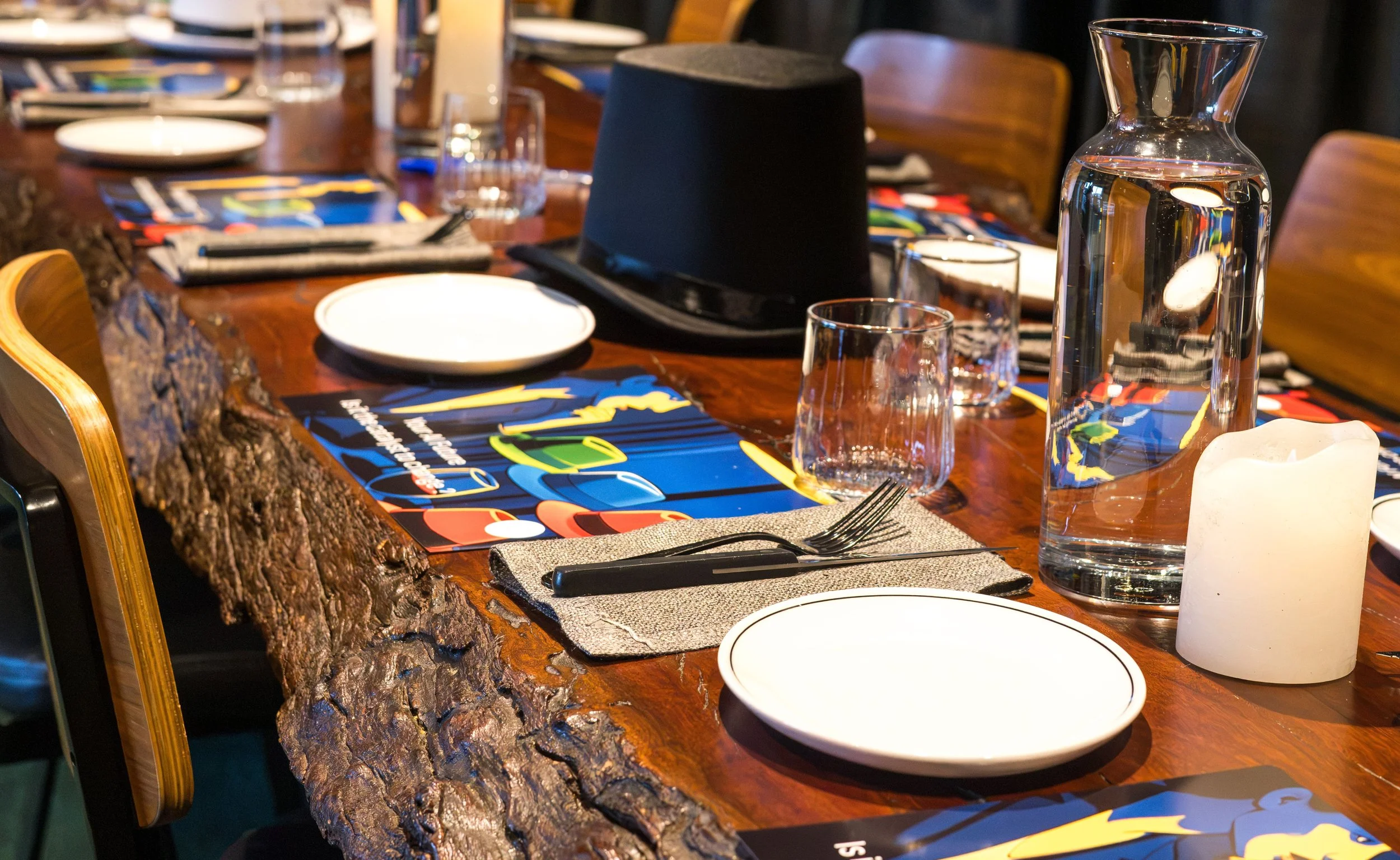
Catalyst Dinner Table- “Your Ai Future”
Anthony (not his real name) had a routine at industry events. He'd arrive, find the two or three people he already knew, and spend the evening in comfortable, easy conversation. It felt productive. It felt like networking. He left most events having enjoyed himself and learned very little he didn't already know.
He also delieverd a pitch at the events he attended and asked for referrals to the same category of professionals, over and over again.
At a dinner where the seating was deliberately mixed, he ended up between a landscape architect and a physiotherapist. Neither had any obvious connection to his compliance consultancy. He told me afterwards that his first thought, sitting down, was that he'd drawn the short straw.
An hour in, the physiotherapist mentioned she was building a small clinic and trying to work out what compliance she'd actually need before opening, and hadn't found anyone who could explain it in plain language. By the end of the evening she'd offered to introduce him to two other local business owners in her own network, people going through exactly the kind of growth stage where his work mattered most.
Three referrals came out of that single dinner, none of them from the people he already knew, all of them from the seat he didn't choose.
Growth rarely comes from the people already in your corner. It comes from the ones you haven't thought to sit down with yet.
Why We Keep Choosing the Familiar Table
There's nothing wrong with the instinct. Familiar people are easy, low risk, and genuinely enjoyable to spend time with. Choosing them feels like the sensible use of a limited evening. The trouble is that familiar conversations tend to confirm what we already know rather than open up what we don't.
Most professionals aren't avoiding new connections on purpose. They're simply defaulting to comfort in a room that offers plenty of it, and comfort has a quiet cost. It rarely produces the client you hadn't thought of, the collaboration outside your usual lane, or the perspective that reframes a problem you've been circling for months.
What Sits on the Other Side of an Unfamiliar Conversation
The professionals I've watched grow fastest over the years are not the ones with the biggest networks. They're the ones willing to sit next to someone whose work looks nothing like theirs, and to stay curious about it rather than politely waiting for the conversation to move on.
This is precisely why I curate seating at Catalyst Dinners rather than leaving it to chance. Left to their own devices, most rooms sort themselves by industry and familiarity within minutes. The most useful conversations, the ones that quietly become referrals, collaborations, or a completely new way of seeing a problem, tend to happen when that sorting is interrupted.
It isn't about forcing connection between people who have nothing in common. It's about recognising that shared industry is a weak predictor of what two people might build together, and that genuine curiosity about unfamiliar work is a much stronger one.
The Skill Underneath It
Sitting with someone unfamiliar and having it go well is not luck. It's a small, learnable skill, built from asking real questions instead of trading titles, and staying with a topic a little longer than politeness requires. Anthony didn't get three referrals because he was charming. He got them because he asked the physiotherapist a genuine follow up question about her clinic instead of glancing past her at people he already knew.
He stopped making assumptions about who could help him connect with his next client, and who needed his help.
Teams run into the same pattern internally. The finance person and the person on the front line rarely sit together by choice, and the ideas that could move a business forward often sit unheard in that gap. Breaking that pattern, in a room of professionals or inside an organisation, starts the same way. Someone has to choose the seat they wouldn't normally choose.
An Invitation
If most of your conversations this year have been with people who already think like you, that's worth noticing. Not as a criticism, simply as information about where your next opportunity is unlikely to come from. This is a lot of what Catalyst Dinners are built for, curated rooms where the seating does some of the work your instincts usually undo.
I'd love to know, who's someone outside your usual circle you could sit down with this month?
BOOK a conversation with Kerryn and explore your next opportunity www.kerrynpowell.com.au/connect